
October 28, 2026
9:00 - 10:30 AM Keynote Address
Rediscovering the Joy: Reconnecting with Purpose in Infant & Early Childhood Mental Health
This keynote address invites infant and early childhood mental health professionals to pause, reflect, and reconnect with their "why." We will explore strategies to address burnout and reignite a sense of purpose by leading with joy. You’ll leave with practical tools to manage challenges, reconnect with your purpose, and cultivate resilience to continue making a meaningful difference in the lives of children and families.
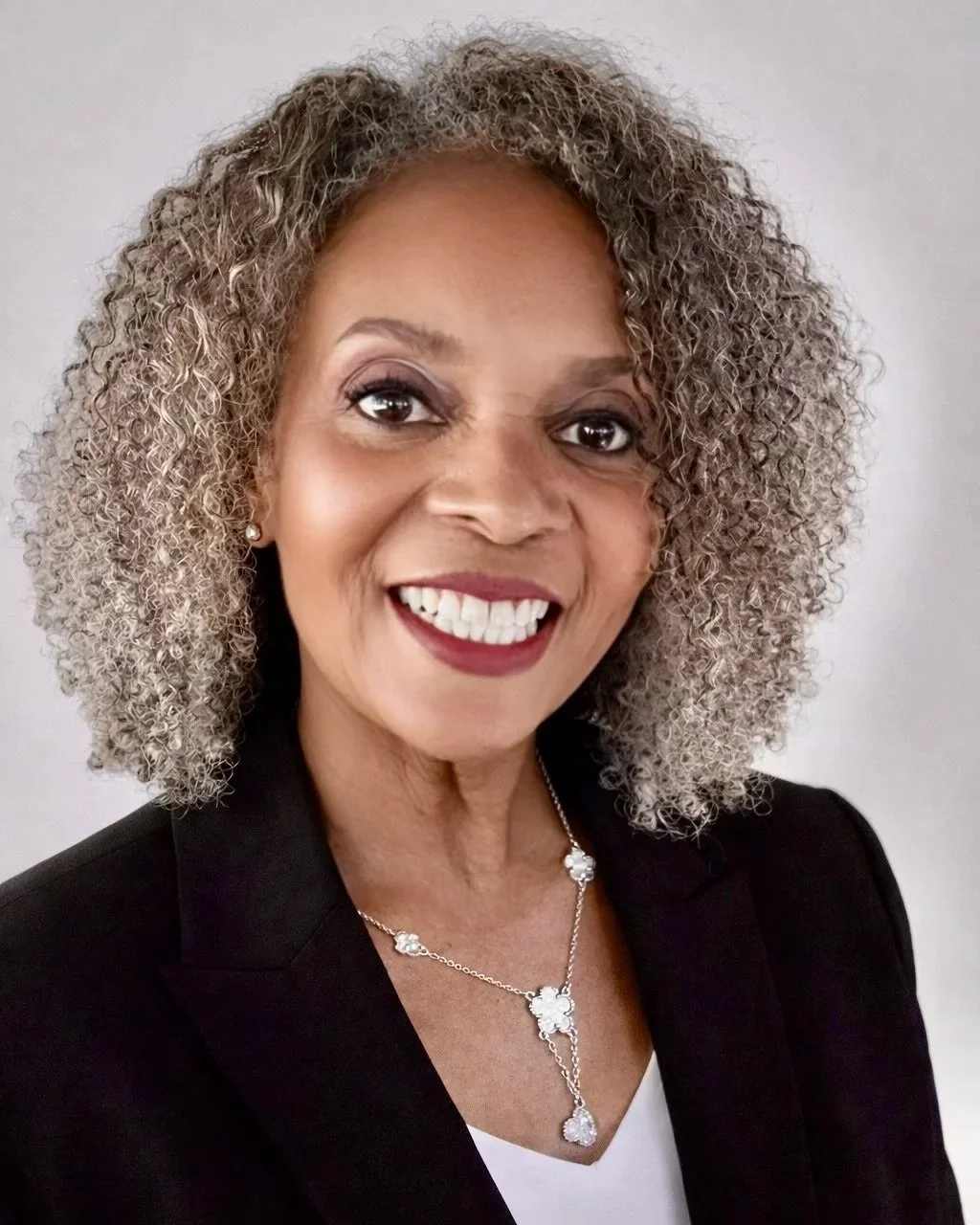
Presenter: Dr. Rosemarie Allen
11:00 - 12:30 PM Concurrent Sessions

Presenter:
Dr. Rosemarie Allen
Session 14
Trauma and Resilience in Infant and Early Childhood Mental Health Consultation
Early childhood mental health consultants spend their days holding space for the stress, trauma, grief, and emotional experiences of others. This workshop invites early childhood mental health consultants into a deeper exploration of trauma, healing, and resilience within themselves and their professional practice. This session creates space for honesty, connection, and restoration while offering practical strategies consultants can use to care for themselves and support resilience in the programs and professionals they serve.

Presenter:
Staci Sontoski
Session 15
Crucial Conversations
Whether you are talking to a worried parent about a child’s development or discussing a difficult case with a colleague, the way we speak to one another matters.
This session offers an introductory look at the Crucial Conversations approach—a way to handle discussions when emotions and stakes are high. This session will share some key concepts and tools you can use right away. We will also explore how these communication tools fit perfectly with Reflective Practice (learning to slow down and think) and Trauma-Informed Care (understanding the "why" behind someone’s reaction). You will walk away with strategies for staying calm, speaking your truth without being hurtful, and keeping the focus where it belongs.
Learning Objectives
Trace Your "Path to Action": Learn how to stop jumping to conclusions by looking at the facts first, instead of the "stories" we tell ourselves when we are stressed.
Create Psychological Safety: Discover how to make it feel safe for everyone to be honest, so that no one feels judged or attacked during a tough talk.
Find a Shared Goal: Learn how to find a "Mutual Purpose" so you and the parent (or coworker) can work together toward the same result.
Listen to Understand: Use simple listening skills to make sure the other person feels truly heard before you try to solve the problem.

Presenter:
Briana Kurlinkus
Session 16
The Repair Lab: Case Studies and Strategies for Navigating Relationship Ruptures
Relationships in early childhood settings are built through connection—but even strong relationships experience moments of rupture. This highly interactive session uses real-life case studies, reflection, and collaborative discussion to explore how misunderstandings, cultural differences, bias, and communication challenges can impact relationships with children, families, and colleagues. Participants will work together to identify ruptures, practice repair approaches, and leave with tangible, relationship-based strategies that strengthen trust, accountability, and connection.
Learning Objectives:
Identify common relationship ruptures that occur in early childhood settings and examine how cultural perspectives, bias, communication styles, and lived experiences can influence both impact and interpretation.
Analyze real-life case studies to recognize signs of relational harm, reflect on contributing factors, and explore responsive, relationship-based approaches to repair conversations.
Apply practical strategies that support accountability, self-awareness, trust-building, and culturally responsive repair practices to strengthen relationships with children, families, colleagues, and caregivers.

Presenter: Jen Perfetti
Session 17
LGBTQ Parents Past and Present: Creating thriving families in an exclusionary culture
There are few topics that elicit such strong opinions in our culture as how one creates and raises a family. LGBTQ+ parents have had to fight not only for the right to marry, but also for the right to become parents or even to parent the children they have. Understanding this history is an important part of protecting and advocating for the rights of LGBTQ+ families at a time when these rights are increasingly under threat. These are stories not often represented in the field of Infant Mental Health and are essential to both inclusion and the capacity to understand and support the struggles and joys of being a LGBTQ+ parent. This workshop will focus on issues facing LGBTQ+ parents across multiple points in history, along with key issues facing parents and families today, to help strengthen your capacity and cultural competence as IMH providers.
1:45 - 3:15 PM Concurrent Sessions

Presenter: Julie Clark
Session 18
Going Upstream to Discover Together the Root Causes of Suspension and Expulsion of Babies, Toddlers and Young Children
There is a parable about a villager who decides to move upstream to get at the cause of distress for their community. This session aims to walk together, upstream, as we use the 5 Whys process to consider what might be at the root of distress for the adults- and the systems- that care for babies, toddlers and young children.
Join us to reflect and share your insight so that we all might better focus on what we need to do together, shine the light in celebration of what you we are doing and convene the village to enable a dream of what is best for the community.
This is a highly interactive, discussion-based session. Bring your experience, your insight, your questions, ideas and dreams.
Learning Objectives:
In interactive small groups, utilize the 5 Whys process to uncover/discover root causes that address problems in meeting the social and emotional needs of infants, toddlers and young children.
Utilize the root causes uncovered in the process, determine resources/opportunities already in existence that address root causes.
Outline any gaps that exist in addressing root causes and begin to specify next steps in addressing these gaps.

Presenter:
Rosalva Melendez

Presenter:
Darlene Grant
Session 19
Inspire Compassion: An Introduction to Trauma-Informed Care and Compassion Resilience
During this session, participants will explore the importance of developing a healthy, trauma-informed approach that supports compassion resilience for the children, families, individuals, and communities they serve, as well as the staff within their organizations. This session will support the professional development and overall well-being of educators and human service professionals. Participants will learn strategies to build individual, team, and organizational capacity to foster, strengthen, and improve practices grounded in trauma-informed care principles. The session will also provide practical strategies and opportunities for staff to reflect on the impact of trauma-informed care and the importance of compassion resilience in their professional and personal well-being.
Learning Objectives:
Understand the foundational principles of trauma-informed care and how they can be applied across education and human service settings.
Enhance recognition of and response to trauma while strengthening resilience in individuals, teams, and organizations.
Explore the multiple layers of compassion resilience and understand how compassion fatigue, stress, and trauma can impact helping professionals.
Identify practical strategies to support personal well-being, healthy relationships, and a culture of compassion within the workplace
Presenter: Jen Perfetti

Presenter:
Rosanne Clark
Session 20
Engaging Parents in Collaboratively Assessing their Relationship with their Child Through B-ERA Guided Support
The Brief Parent-Child Early Relational Assessment (B-ERA) is a structured dyadic assessment that provides an opportunity to respectfully come alongside a parent in wondering together about their relationship with their child. Utilizing brief video recorded interactions, the objective B-ERA coding process assists the provider in noticing strengths and challenges without judgement or assumptions. The subjective process of engaging the parent in looking at video of themselves and their child together, and listening with attunement, allows for reflection and collaborative goal setting. These two elements together can help guide ports of entry and focused interventions thereby increasing both parent’s and provider’s sense of effectiveness in promoting early relational health in your work together.
The B-ERA process includes coding of video recorded interactions for the development of a Relational Profile, a reflective Video Replay Interview, and a collaboratively developed Dyadic Support Plan. The B-ERA process can help offer the tools and strategies to focus your observations of parent-child interactions with greater attunement, elicit the parent’s own experience of being parented along with the meaning of their infant/young child thereby increasing their reflective functioning and capacity to appreciate their child’s developmental needs and internal experiences. The B-ERA additionally includes specific strategies matched to areas of challenge to enhance the provider’s ability to develop strategic approaches that more deeply impact the quality of the parent-child relationship. This participatory workshop will weave together new knowledge, video examples and case discussion to enhance engaged learning. Whether you are working in Mental Health, Home Visiting, Child Welfare, Birth to Three or another early intervention field, if your work is focused on supporting early parent-child relationships this overview of the B-ERA can introduce you to an exciting new tool that you can incorporate into your work.
Learning Objectives:
Identify and explain the core elements of the B-ERA process and how they work together to support early relational health.
Practice using B-ERA-informed approaches to observe video-recorded interactions, identify relational strengths and challenges without judgment, and engage parents in a reflective video replay and collaborative goal setting process to focus and enhance interventions.
Use insights from the B-ERA assessment and parent reflection to co-create a Dyadic Support Plan that targets specific relational needs and supports improved parent-child connection and developmental outcomes.

Presenter: Carrie Young
Presenter:
Staci Sontoski
Session 21
The Missing Tier: Integrating Reflective Consultation into State Frameworks
While the benefits of reflective consultation are well-documented at the front-line level, true systemic transformation requires moving reflection out of the "supervisor-only" silo and into the very architecture of state governance. How do we weave reflective practice into systems that are already stretched thin or pulled between legislature and real-life demands? How does reflective practice allow for the human experience of individuals embedded in systemic levels of institutions? How might systemic reflective consultation impact the entire provision of Home Visiting services?
This session shifts the focus from individual practice to systemic integration, exploring the strategic shift from viewing reflective consultation as a peripheral "extra" to an essential layer of state infrastructure. We will move beyond the supervisor-staff dyad to examine the "Missing Tier"—the systemic integration of RC that supports leaders and administrators. Using examples from Wisconsin’s Home Visiting Team, we will explore how one Reflective Consultant has attempted to facilitate pathways to create a more resilient, unified system.
Learning Objectives
Learn about one model for systems-level reflective consultation
Discuss the benefits, opportunities, barriers, and limits to systemic reflective consultation
Review data collected about the experience of reflective practice among state-level Home Visiting employees

Presenter: Jess Dallman